
A rotary hammer turns drilling into concrete from a multi-minute struggle into a quick, controlled task — and today’s cordless SDS-Plus models are strong enough to replace a corded hammer drill for most anchor-hole and light-demolition work.
We compared three of the most-searched cordless SDS-Plus rotary hammers on the market: two head-to-head platform rivals and a third well-regarded option worth considering.
How We Picked These
These picks are based on extensive research into ratings, review volume, and manufacturer specifications across major retailers and independent tool-testing sources — not hands-on testing by our team. We’ve been upfront about that throughout this post.
Quick Picks
- Best for Milwaukee M18 Owners: Milwaukee M18 FUEL 2912-20 — fastest-in-class drilling, 4.8★
- Best Value / Best for DeWalt 20V MAX Owners: DEWALT DCH273B — 4.8★, lower price point
- Best if You’re Not Locked Into a Platform: Bosch GBH18V-26 — highest impact energy of the three
Comparison at a Glance
| Model | Platform | Impact Energy | Weight (bare) | Key Safety Features | Approx. Price (tool only) |
|---|---|---|---|---|---|
| Milwaukee M18 FUEL 2912-20 | M18 18V | ~2.7J | ~5.7 lbs | AUTOSTOP + AVS | $239–349 |
| DEWALT DCH273B | 20V MAX | 2.1J | ~5.5 lbs | SHOCKS + Perform & Protect | $150–200 |
| Bosch GBH18V-26 | Bosch 18V | 2.6–2.8J | ~9.6 lbs (kit) | KickBack Control + Electronic Precision Control | $270–370 |
Milwaukee M18 FUEL 2912-20
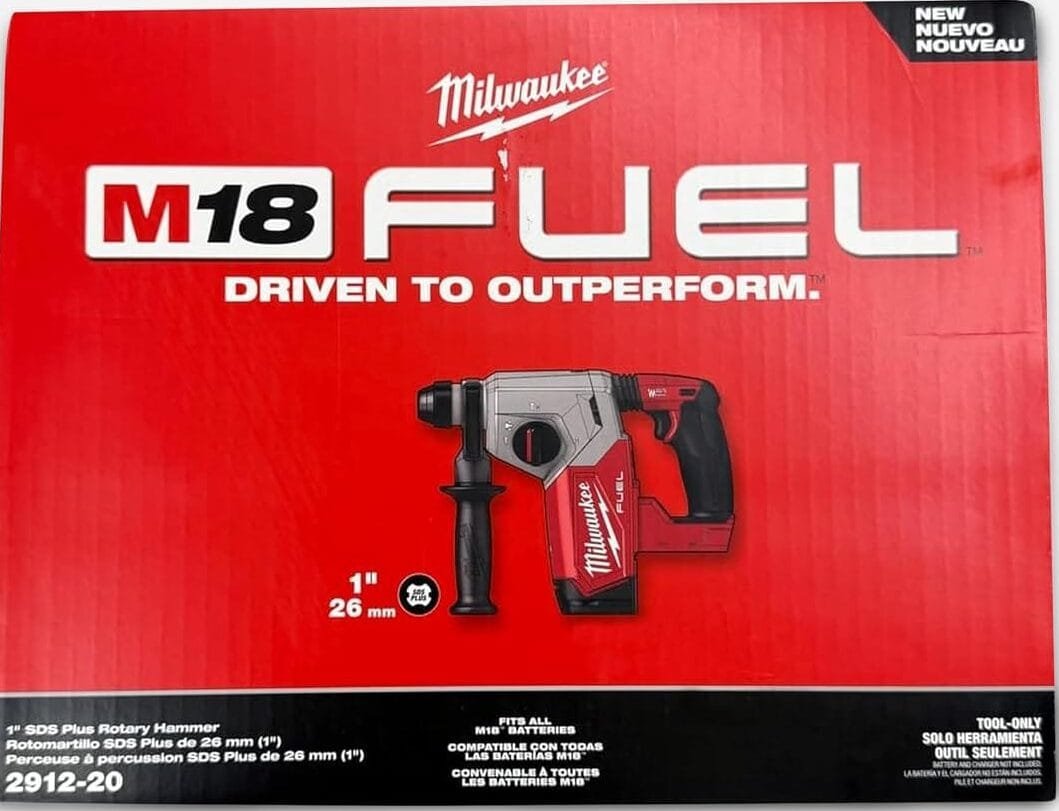
Milwaukee markets the 2912-20 as the fastest-drilling rotary hammer in its class, capable of up to 125 holes per charge when paired with the M18 HIGH OUTPUT XC6.0 battery.
It carries a 4.8-star rating across retail listings, with owners consistently praising its low vibration and control when drilling into rebar or hard aggregate.
Pros
- Fastest drilling in its class (per manufacturer claims)
- AUTOSTOP kickback control
- AVS anti-vibration system
- Fits 250+ tool M18 ecosystem
Cons
- Tool-only pricing still requires M18 battery investment
- High BPM can feel aggressive for light-duty tasks
- Premium price compared to corded options
DEWALT DCH273B
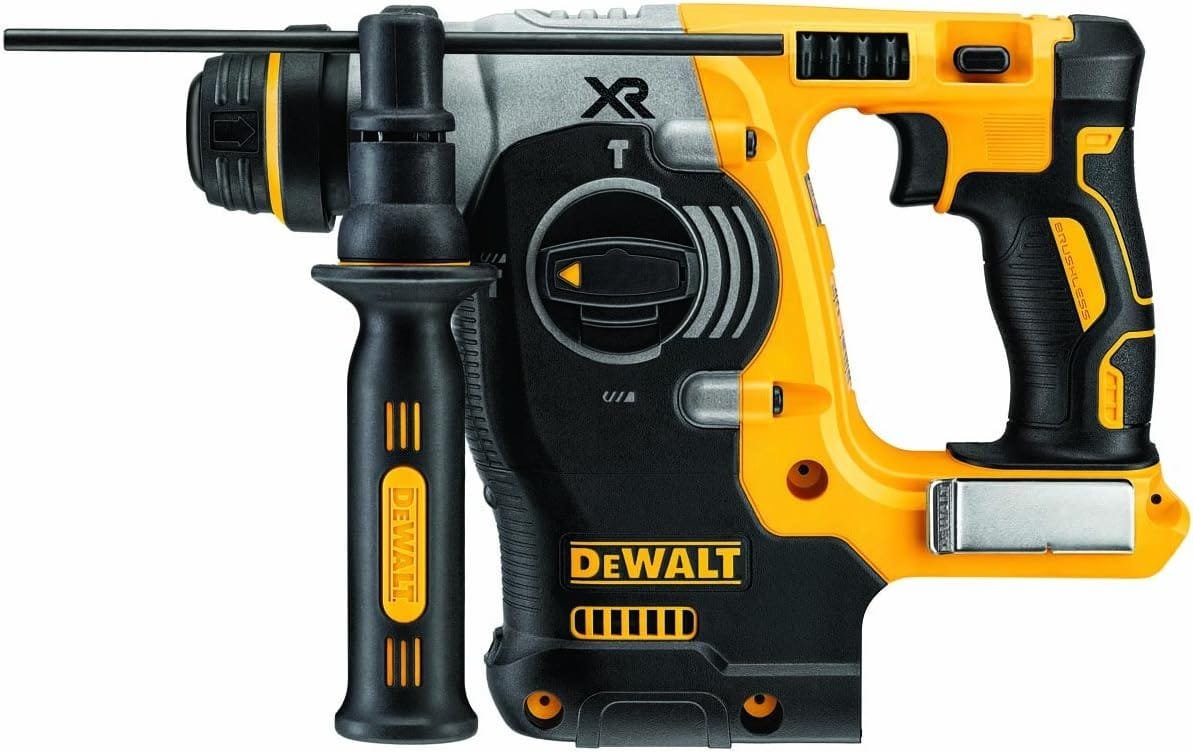
The DEWALT DCH273B holds a 4.8-star rating and is one of the more affordable entries into cordless SDS-Plus drilling on the 20V MAX platform.
Its SHOCKS active vibration control and Perform & Protect safety system are aimed at reducing user fatigue and jobsite risk, and owner reviews highlight it handling years of subfloor-to-concrete anchoring without issue.
Pros
- Strong 4.8★ owner rating
- SHOCKS active vibration control
- Lower price point among cordless SDS-Plus options
- Fits the widely-used 20V MAX ecosystem
Cons
- Lower impact energy (2.1J) than Bosch/Milwaukee
- Fewer accessories bundled in the base kit
- Bare tool needs a compatible 20V MAX battery
Bosch GBH18V-26 — Worth a Look
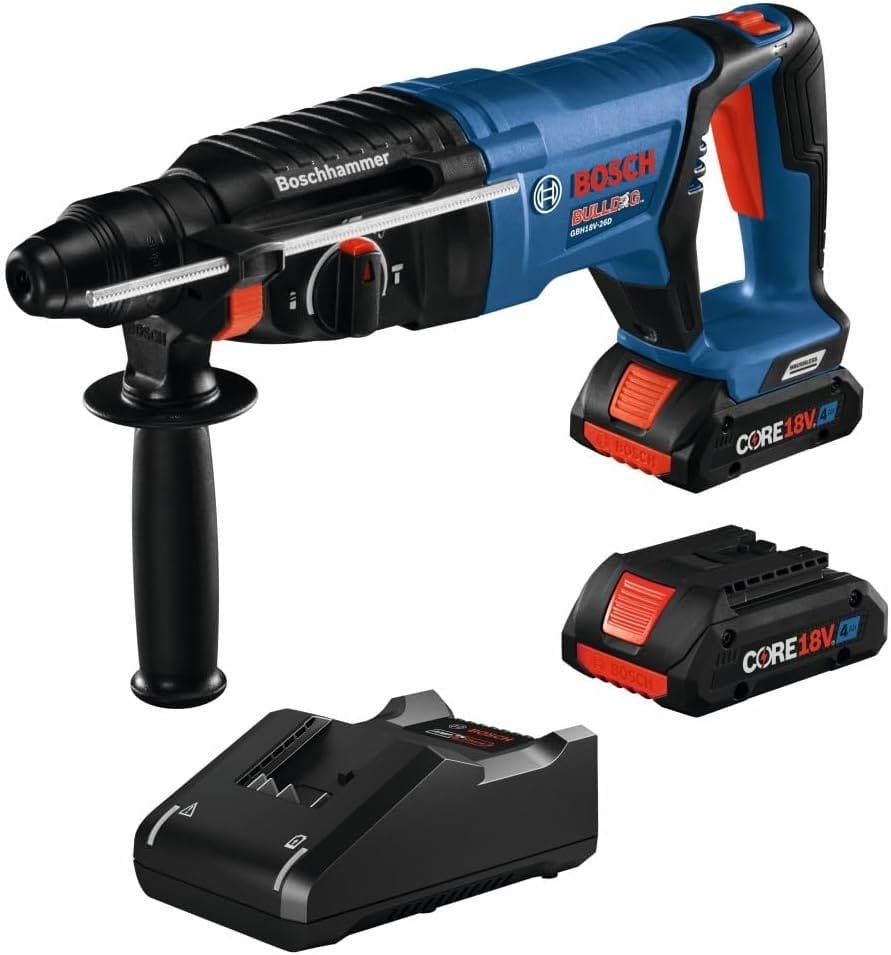
The Bosch GBH18V-26 delivers the highest impact energy of the three at 2.6–2.8 joules, backed by Bosch’s KickBack Control and Electronic Precision Control safety systems.
It’s a strong option if you’re not already committed to the Milwaukee or DeWalt battery ecosystem, though its 18V batteries see less use on U.S. jobsites than either rival platform.
Pros
- Highest impact energy of the three (2.6–2.8J)
- KickBack Control + Electronic Precision Control
- Compact and well-balanced
Cons
- Higher price than DeWalt in comparable kits
- Smaller U.S. retail footprint, fewer easy-to-find reviews
- Less common battery platform on U.S. jobsites
What to Consider Before Buying a Rotary Hammer
- Impact energy (Joules): determines how fast you drill in concrete and how much chiseling power you have on tap.
- SDS-Plus vs. SDS-Max: SDS-Plus (covered here) suits anchor holes and light-to-medium masonry up to about 1 inch; SDS-Max is for heavier demolition and larger holes.
- Battery ecosystem lock-in: picking a platform is really picking which battery family you’ll keep buying into.
- Vibration control: matters most for repeated overhead or all-day drilling sessions.
Final Verdict
For most homeowners and remodelers already invested in the DeWalt 20V MAX ecosystem, the DCH273B is a capable, well-priced entry point for anchor holes and everyday masonry work. If you’re building out — or already run — a Milwaukee M18 fleet and want more raw drilling speed with added kickback protection, the 2912-20 is the stronger all-around performer. Bosch’s GBH18V-26 remains a solid third option worth a look if you’re not locked into a battery platform yet.
FAQs About Cordless Rotary Hammers
What’s the difference between SDS-Plus and SDS-Max rotary hammers?
SDS-Plus tools, covered in this post, handle anchor holes and drilling up to roughly 1 inch in concrete and are lighter and more affordable. SDS-Max tools are heavier, more powerful, and built for continuous demolition and larger-diameter drilling.
Can a rotary hammer be used as a regular drill?
Most rotary hammers include a rotation-only mode for drilling into wood or metal, but they’re heavier and less precise than a dedicated drill for everyday tasks.
How much impact energy do I need for home projects?
For anchor holes, electrical or plumbing penetrations, and light masonry work, 2–2.5 joules is plenty. Heavier demolition or frequent large-diameter holes benefit from 2.6 joules or more.
Do I need to buy the battery and charger separately?
Often yes — many rotary hammers are sold “tool only” (bare), assuming you already have batteries from that brand’s platform. Check the listing carefully before buying.
Which brand’s cordless platform is most common on U.S. job sites?
DeWalt 20V MAX and Milwaukee M18 currently have the largest cordless tool ecosystems in the U.S., meaning easier interchangeability if you already own tools on either platform.
This article contains affiliate links. If you purchase a product through one of these links, Crafty Saw may earn a small commission at no additional cost to you. Recommendations in this post are based on extensive research into product ratings, verified owner reviews, and independent testing sources rather than hands-on use by our team.